What is a Reformulation
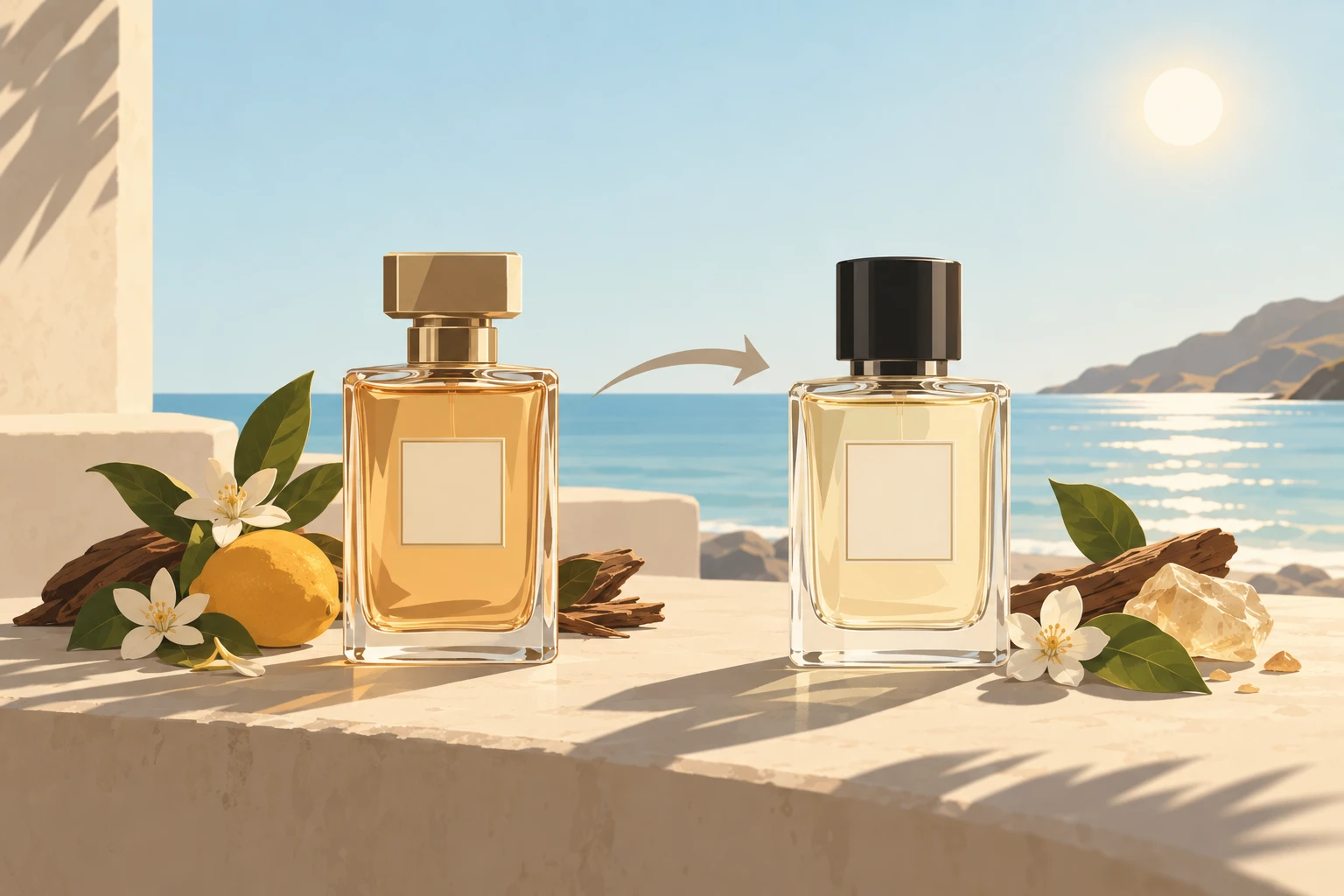
Have you ever bought a new bottle of a fragrance you’ve worn for years and thought,
“this smells a little different”? You may be noticing a perfume reformulation.
A reformulation happens when a fragrance brand changes part of an existing perfume formula while
attempting to preserve the scent’s original identity. Some changes are almost impossible to
notice, while others can affect the fragrance’s smell, projection, longevity, or overall
character.
Why Perfumes Are Reformulated
There isn’t one single reason. Fragrance formulas may change because of ingredient regulations,
safety standards, raw-material availability, sustainability concerns, manufacturing changes, or
evolving brand preferences.
01
Fragrance Regulations and Safety Standards
Fragrance ingredients are continuously studied for safe use.
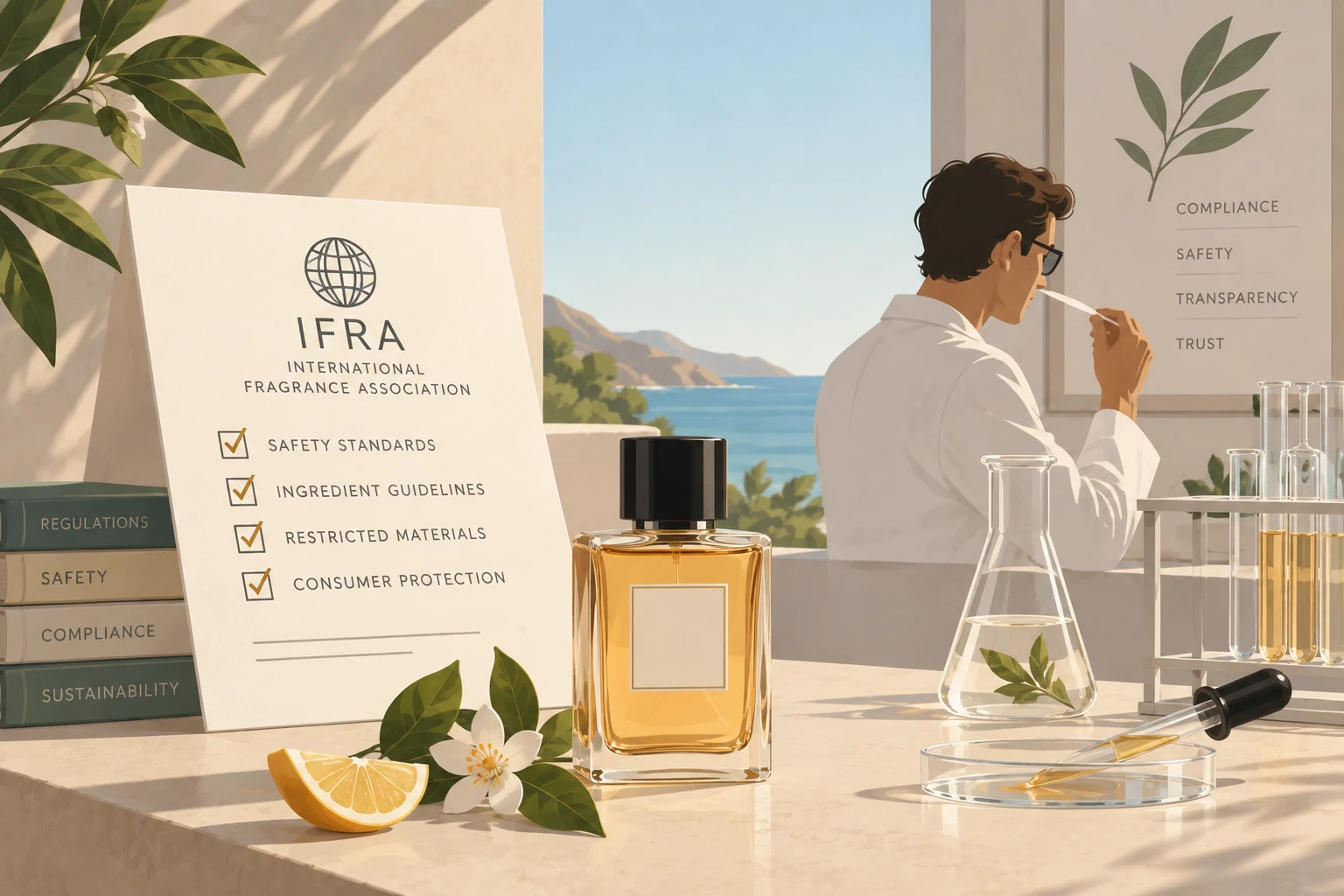
Organizations such as the International Fragrance Association (IFRA) establish standards that
can restrict, prohibit, or set specifications for certain fragrance materials based on
scientific safety assessments. When a material becomes restricted or its permitted
concentration changes, perfumers may need to adjust a formula while trying to maintain the
original scent. That does not necessarily mean an ingredient was suddenly declared
“dangerous” — restrictions can involve how much of a material may be used,
its purity, or how it is used in different types of products.
02

Ingredient Availability
Perfume ingredients can come from flowers, woods, resins, spices,
citrus fruits, and many other natural sources. Crop conditions, supply-chain issues,
environmental concerns, or limited availability can make certain materials difficult or
expensive to obtain. A perfumer may substitute or rebalance materials when the original
ingredient is no longer practical to use.
03
Sustainability and Sourcing
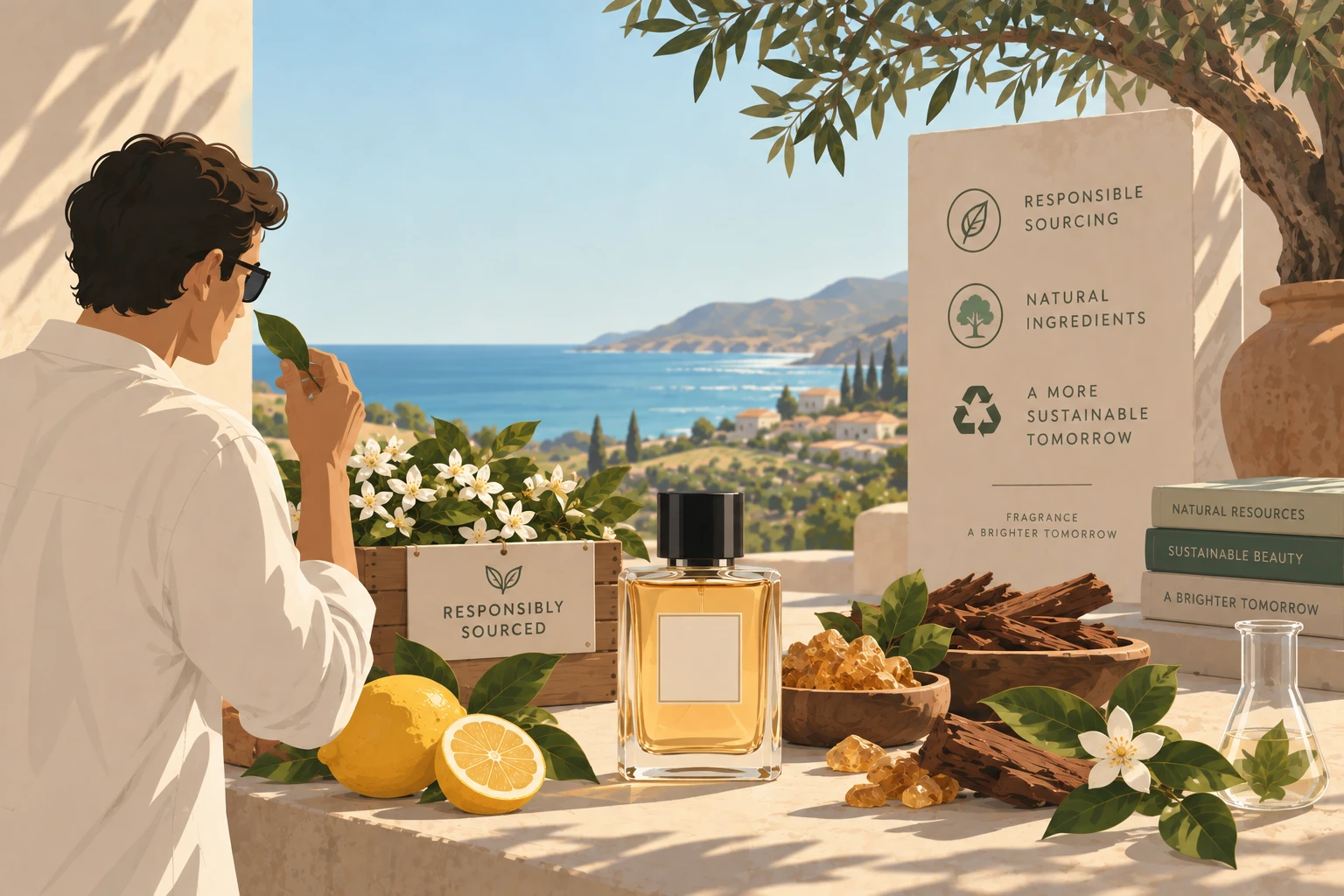
Brands increasingly consider how fragrance materials are sourced and
produced. Natural ingredients can sometimes be replaced or supplemented with modern aroma
molecules that provide a similar scent while reducing pressure on limited natural
resources.
04

Changes in Cosmetic Regulations
Different markets can have different cosmetic requirements. European
Union rules, for example, have recently expanded fragrance-allergen labeling requirements,
meaning consumers may see more individual fragrance ingredients listed on packaging. Changes
like these can affect formulas, packaging, ingredient disclosures, or how fragrances are
produced for different markets.
Does It Mean a Fragrance Is Worse?
Not necessarily. Some reformulations are extremely subtle. Others are more noticeable.
A reformulated fragrance might smell:
- lighter or heavier
- sweeter or fresher
- less powerful
- smoother or more modern
- slightly different during the opening or drydown
Performance can also change, but reformulation does not automatically mean weaker
longevity or lower quality.
Fragrance formulas can contain dozens — or even hundreds — of individual materials, so
replacing one ingredient may require the perfumer to rebalance several others to preserve the
fragrance’s character.
Why Does My New Bottle Smell Different From My Old One?
Reformulation is only one possibility. Differences can also come from:
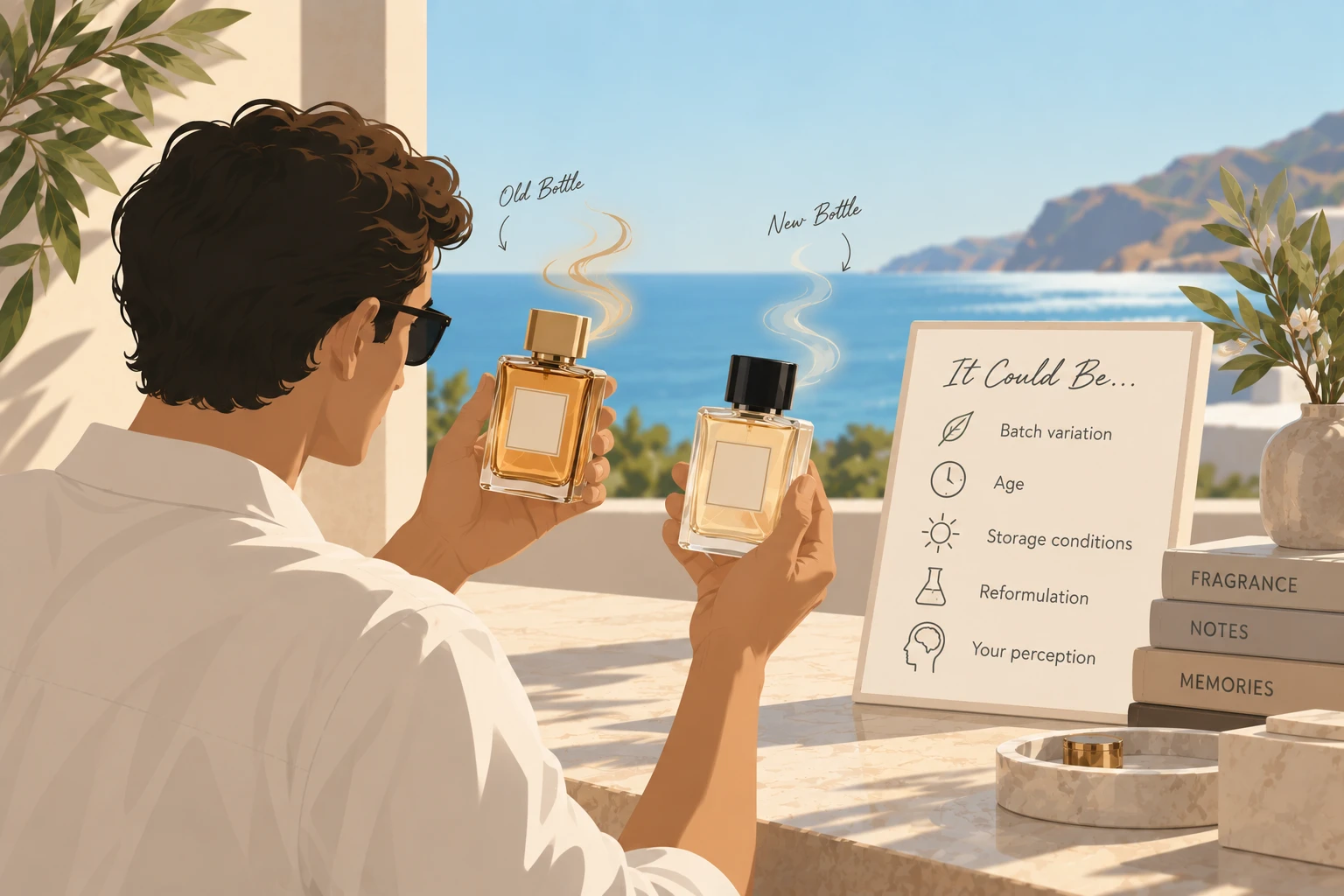
Age
An older bottle may have changed gradually after years of
storage.
Storage conditions
Heat, sunlight, and repeated temperature changes can affect a
fragrance over time.
Your perception
Your sense of smell, environment, weather, and even fragrances you
recently smelled can influence how a perfume appears to you.
That means a slightly different-smelling bottle is not automatically evidence that a fragrance is
fake.
Can You Still Buy Older Formulations?
Sometimes. When a fragrance is reformulated, existing inventory does not instantly disappear.
Retailers, distributors, collectors, and consumers may still have bottles produced under an earlier
formula.
This is why fragrance enthusiasts often discuss batch codes, production years, packaging changes, and
vintage formulations.
Older does not automatically mean better, however. Some people prefer the original formula, while
others prefer a newer interpretation.
What to Look For
If you are replacing a fragrance you have owned for many years, check the concentration, bottle design,
packaging, production information, and official fragrance name before assuming it is exactly the same
release.
Most importantly, buy from a trusted fragrance retailer. At The Perfume Spot, we believe fragrance
shopping should include more than finding a great price. Understanding
concentrations, notes,
batches, reformulations, and fragrance history can help you choose a scent with confidence.
The Bottom Line

Perfume reformulation is a normal part of the fragrance industry. It can happen because of safety
standards, regulations, ingredient availability, sustainability, sourcing, or changes made by the
fragrance house itself.
Sometimes the difference is noticeable. Sometimes it isn’t.
And if your latest bottle smells slightly different from one you purchased years ago, that alone
doesn’t mean anything is wrong with it — it may simply be another chapter in the
fragrance’s history.