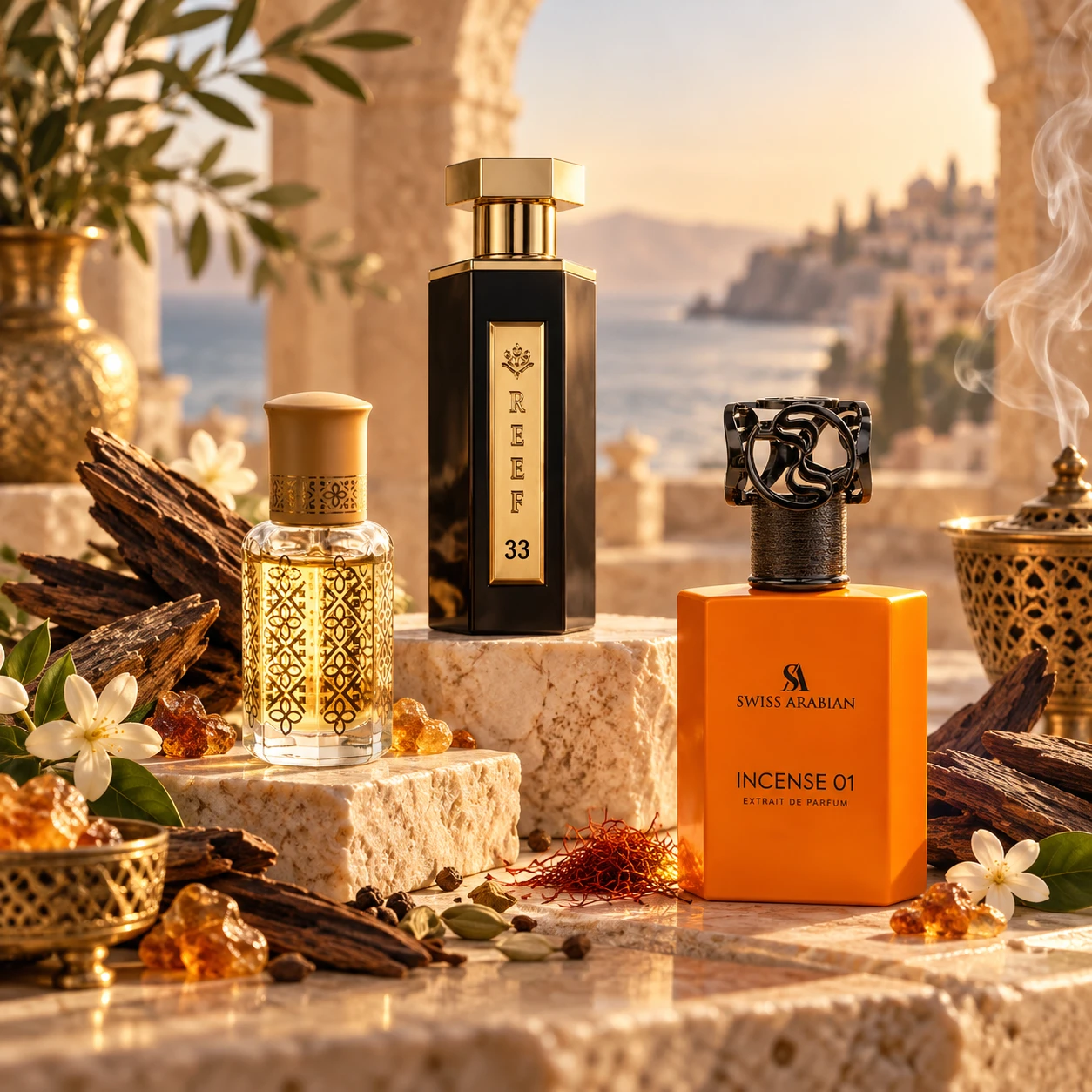
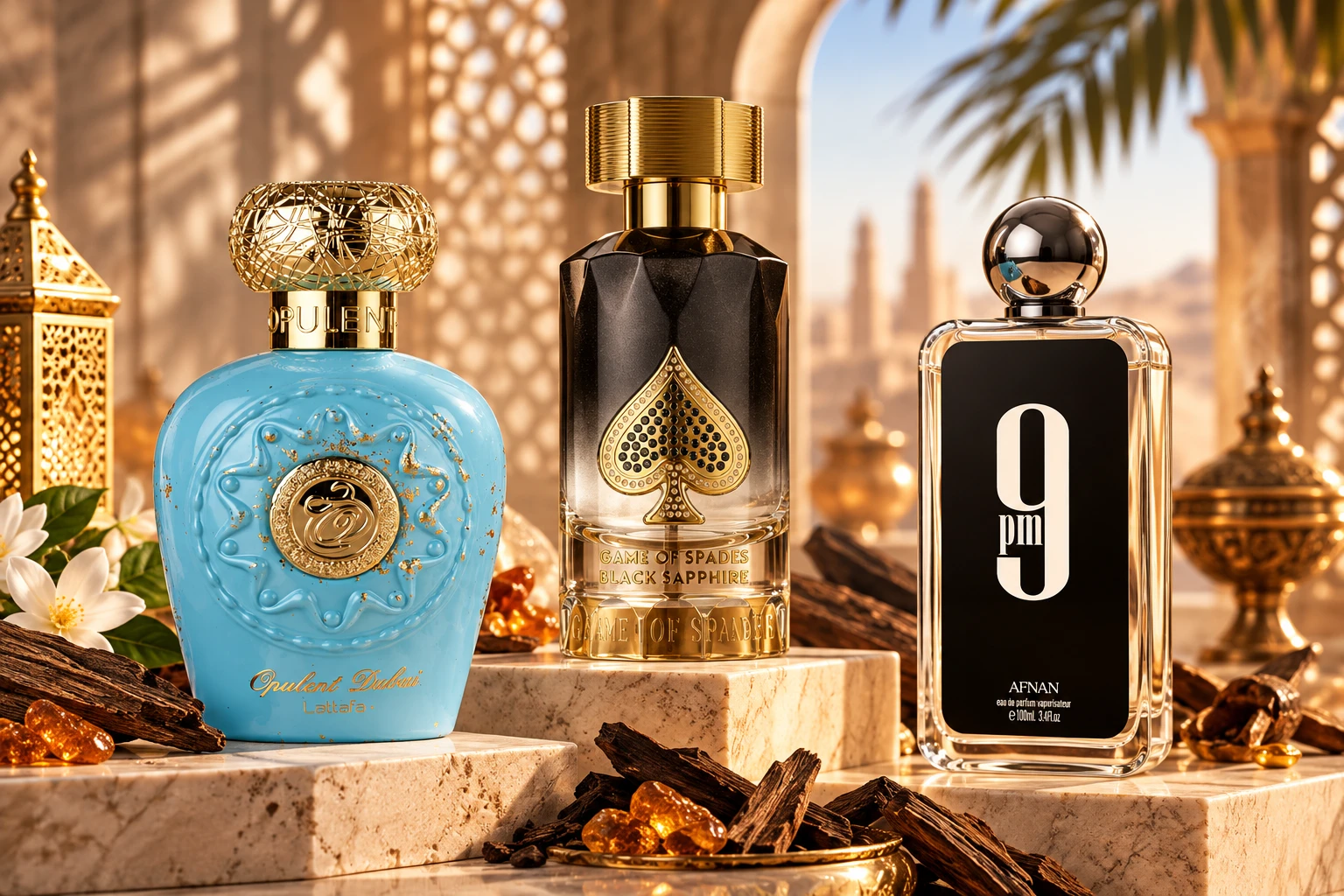
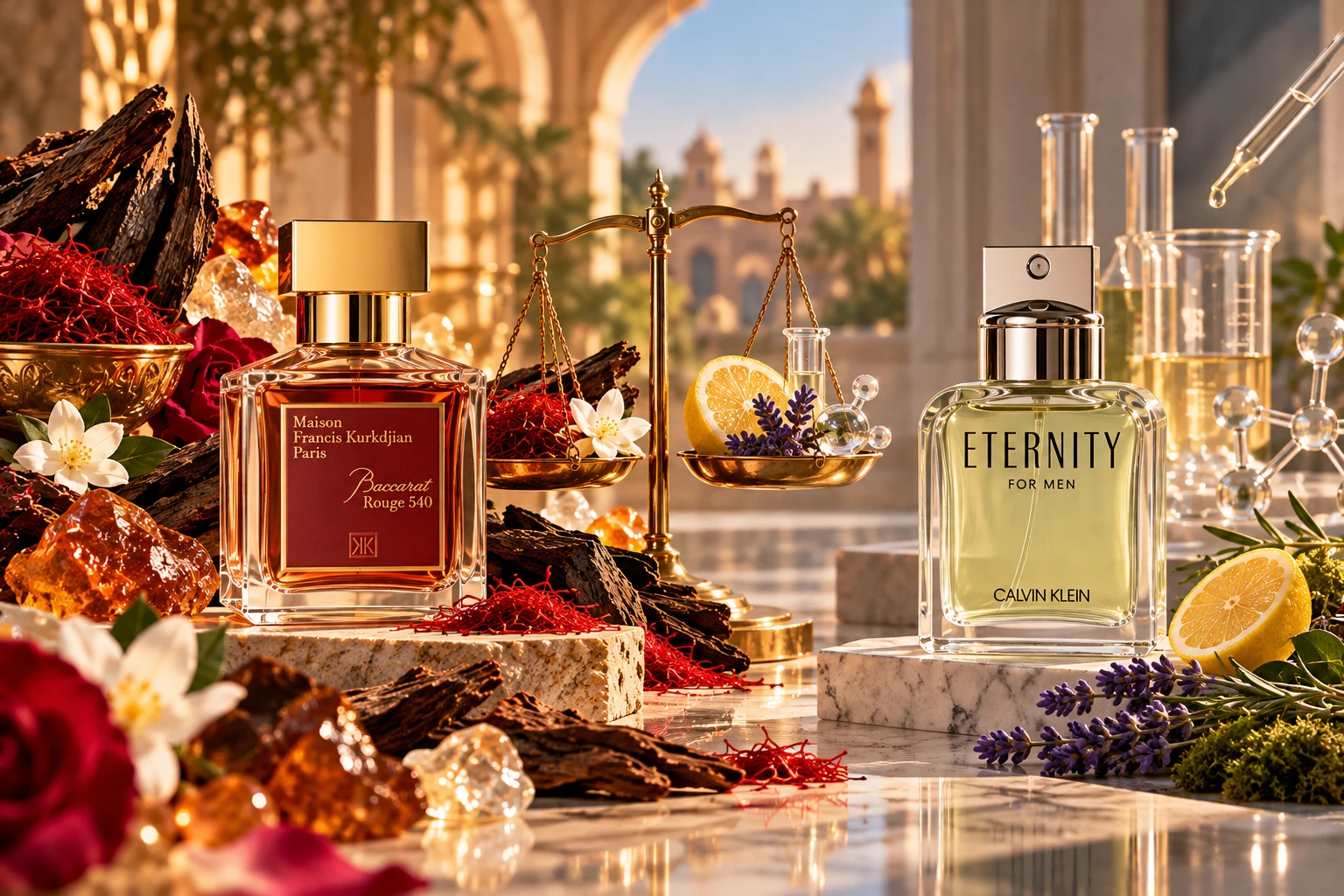
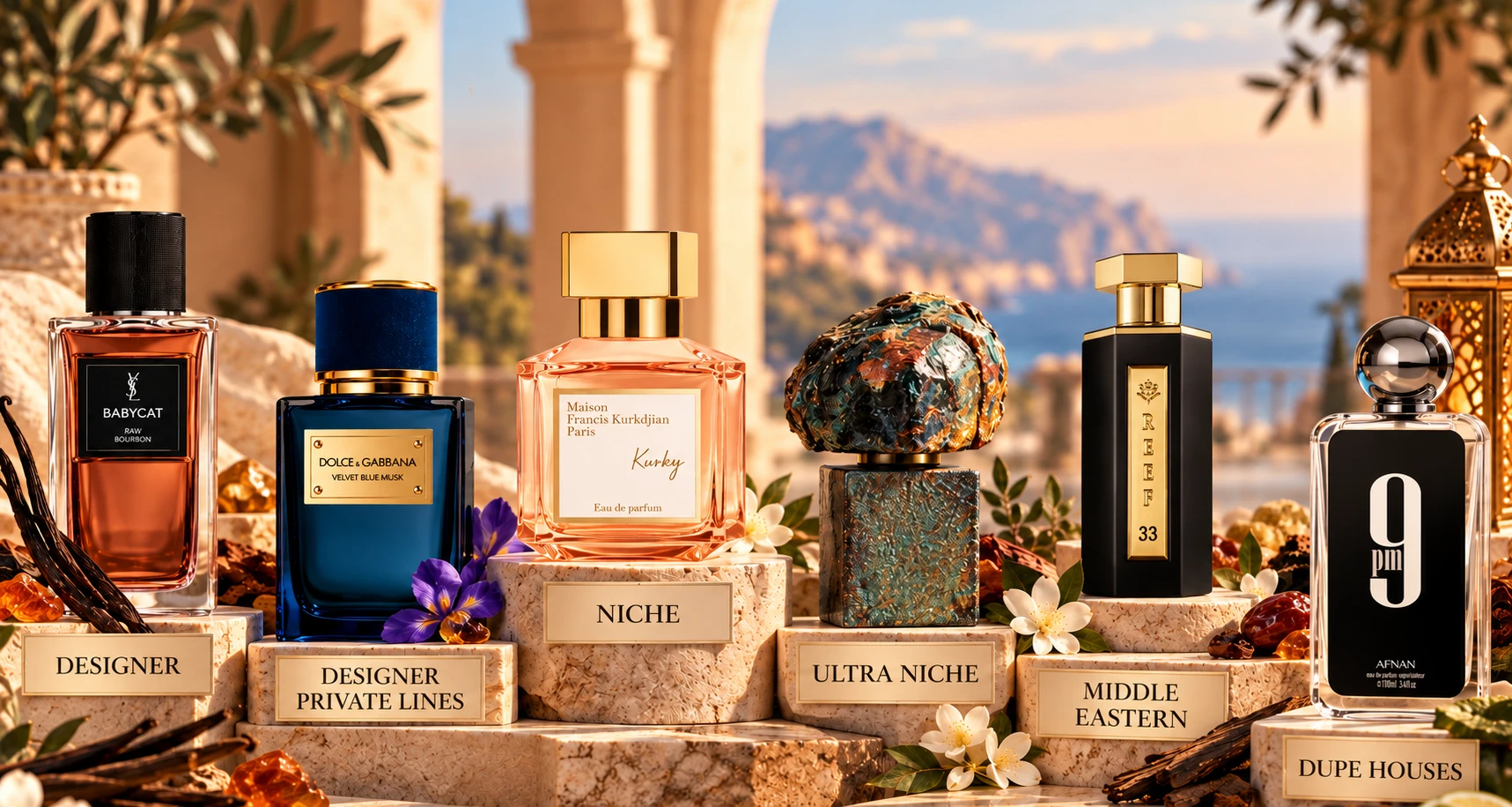
Designer, private line, niche,
Middle Eastern, dupe house — what the labels actually tell you about a fragrance, and why none of them is a
quality rating.
Designer vs. Niche vs. Middle Eastern vs. Dupe Fragrances: What’s the Difference?
What Do These Fragrance Categories Actually Mean?
Designer, niche, private line, Middle Eastern, dupe house — what do all these fragrance
categories actually mean, and does one make better perfume than another?
Walk into the fragrance world and you’ll quickly run into labels like designer, niche,
private collection, Middle Eastern, and dupe house. These terms can tell
you something about who made a fragrance, how it is positioned, and sometimes how it is
distributed — but they do not automatically tell you whether a fragrance is good or
bad.
A $300 niche fragrance is not automatically higher quality than a $100 designer fragrance. A Middle
Eastern fragrance is not automatically stronger. And an affordable dupe is not necessarily made with
“bad ingredients.”
The category tells you more about the brand and its approach than it does about
how good the fragrance will smell.
The biggest differences usually come down to brand strategy, creative direction, production
scale, packaging, distribution, ingredient budget, and the type of customer the fragrance
is designed for.
What Is a Designer Fragrance?
A designer fragrance comes from a brand that is primarily known for something beyond
perfume, usually fashion, accessories, jewelry, beauty, or other luxury goods.
Designer fragrances are often created for a broad international audience. They may need to work
across department stores, beauty retailers, airports, online shops, and many different markets at
the same time.
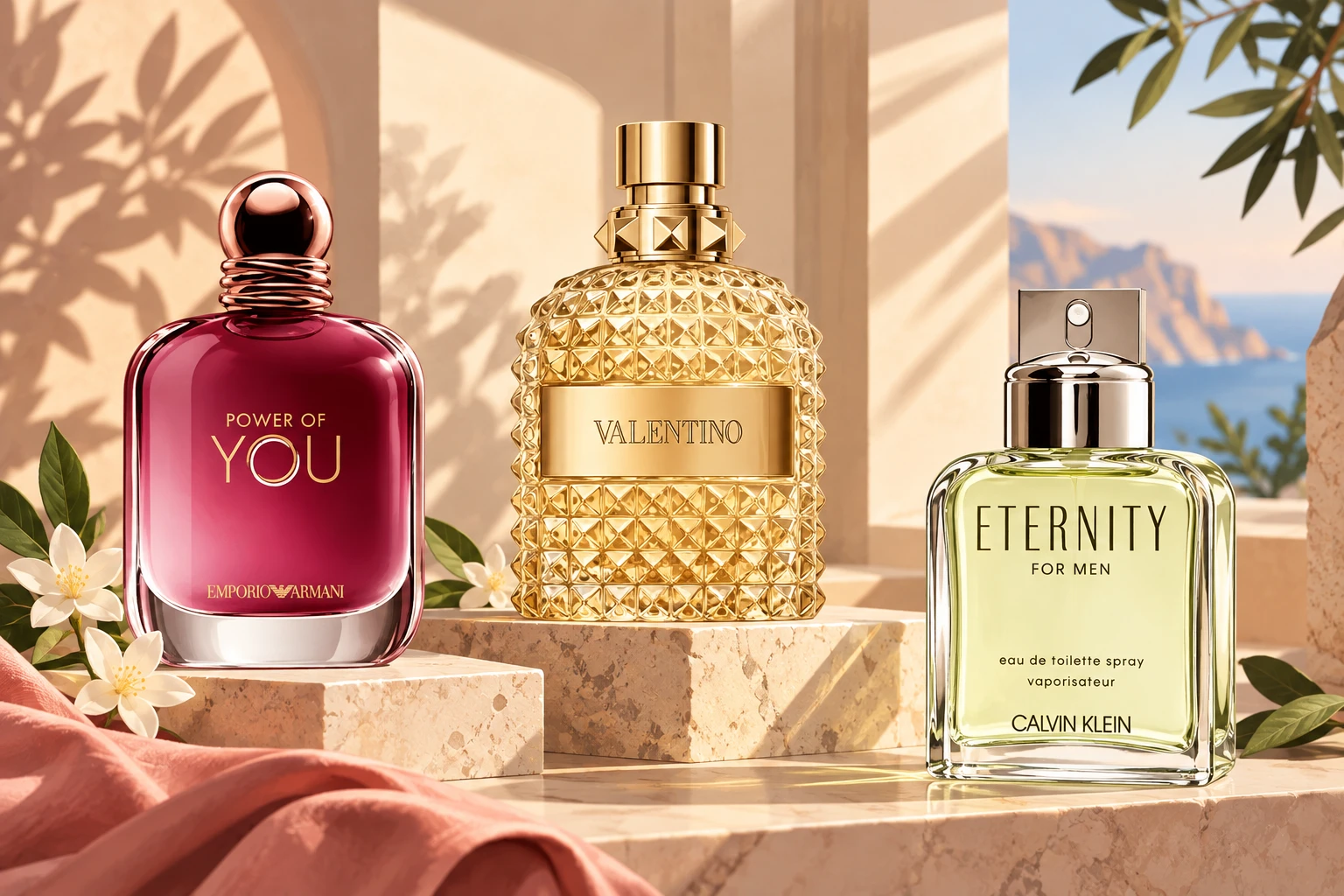
Designer Fragrances
Accessible. Versatile. Consistent.
Designer fragrances often balance creativity with broad wearability.
Major houses can also have access to experienced perfumers, sophisticated aroma materials,
extensive testing, and large-scale manufacturing.
That does not mean designer fragrances are simple or low quality. In fact, the same professional
perfumer may work on a mainstream designer fragrance and later create a highly exclusive niche
perfume.
One major advantage of large designer brands can be consistency. Large production
runs and tightly controlled manufacturing can help bottles produced at different times smell very
similar.
What Is a Designer Private Line?
A designer private line is a more exclusive fragrance collection created by an
established designer or luxury house.
You may also see them called:
Private collections
Exclusive collections
Prestige fragrance lines
Haute parfumerie collections
Boutique collections
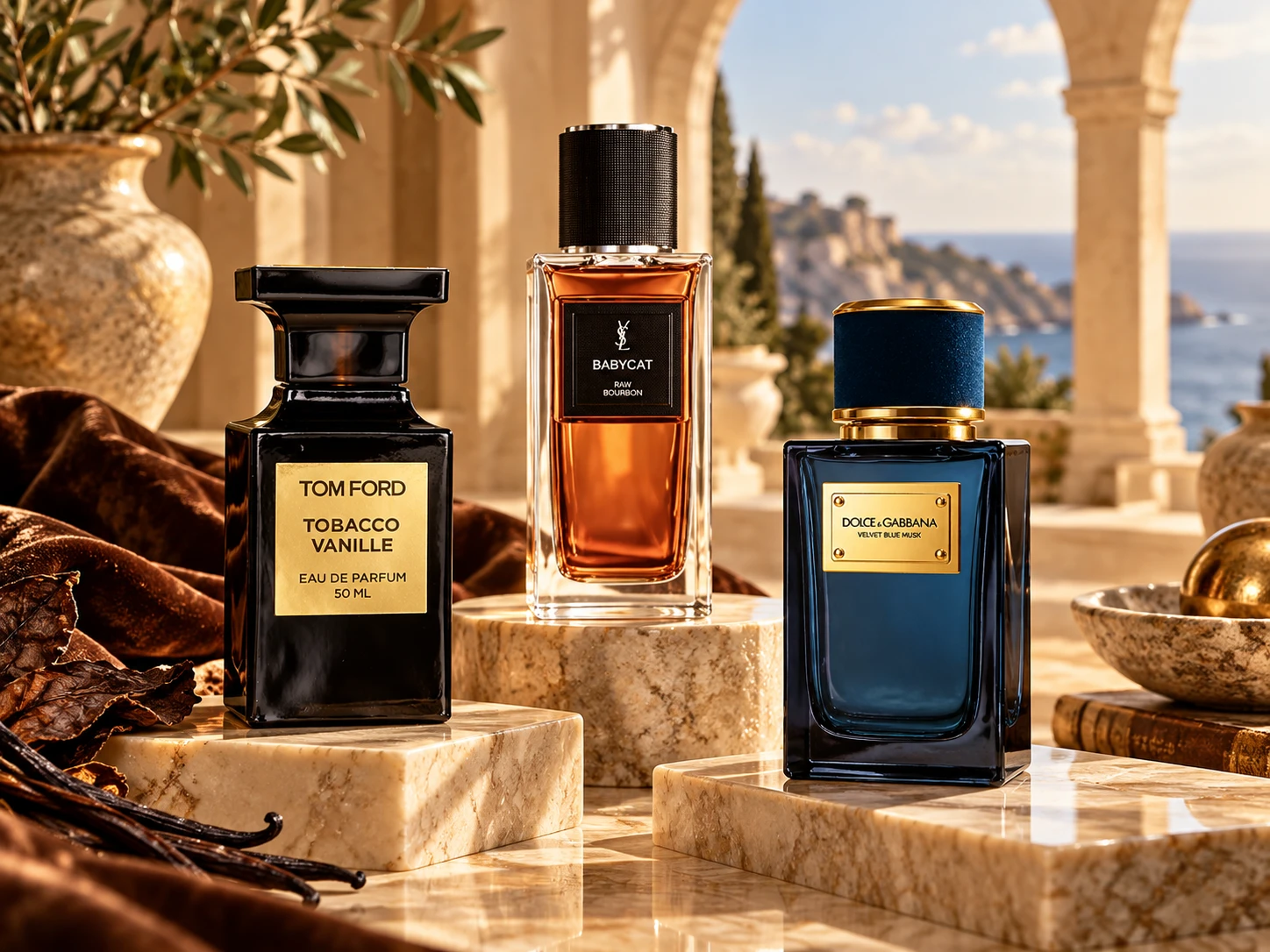
Designer Private Lines
Exclusive. Elevated. More Experimental.
These collections usually sit above a brand’s standard
fragrance range in price, presentation, exclusivity, and creative positioning.
Instead of trying to appeal to the widest possible audience, private collections may give perfumers
more freedom to explore unusual ingredients, stronger personalities, less commercial scent
structures, or more luxurious presentations.
Distribution can also be more limited. Some are primarily sold through brand boutiques, luxury
retailers, or selected locations.
That higher price may reflect ingredient costs, bottle and packaging design, smaller production
volumes, luxury positioning, marketing, distribution, and exclusivity.
It does not necessarily mean every private-line fragrance contains better or more expensive
ingredients than every standard designer fragrance.
What Is a Niche Fragrance House?
A niche fragrance house is traditionally a company built primarily around perfume
rather than fashion, handbags, jewelry, or another major product category.
With a niche house, fragrance is the main event.
Historically, niche brands differentiated themselves through more experimental compositions, unusual
ingredients, distinctive storytelling, smaller distribution networks, and fragrances that were not
necessarily designed to appeal to everyone.
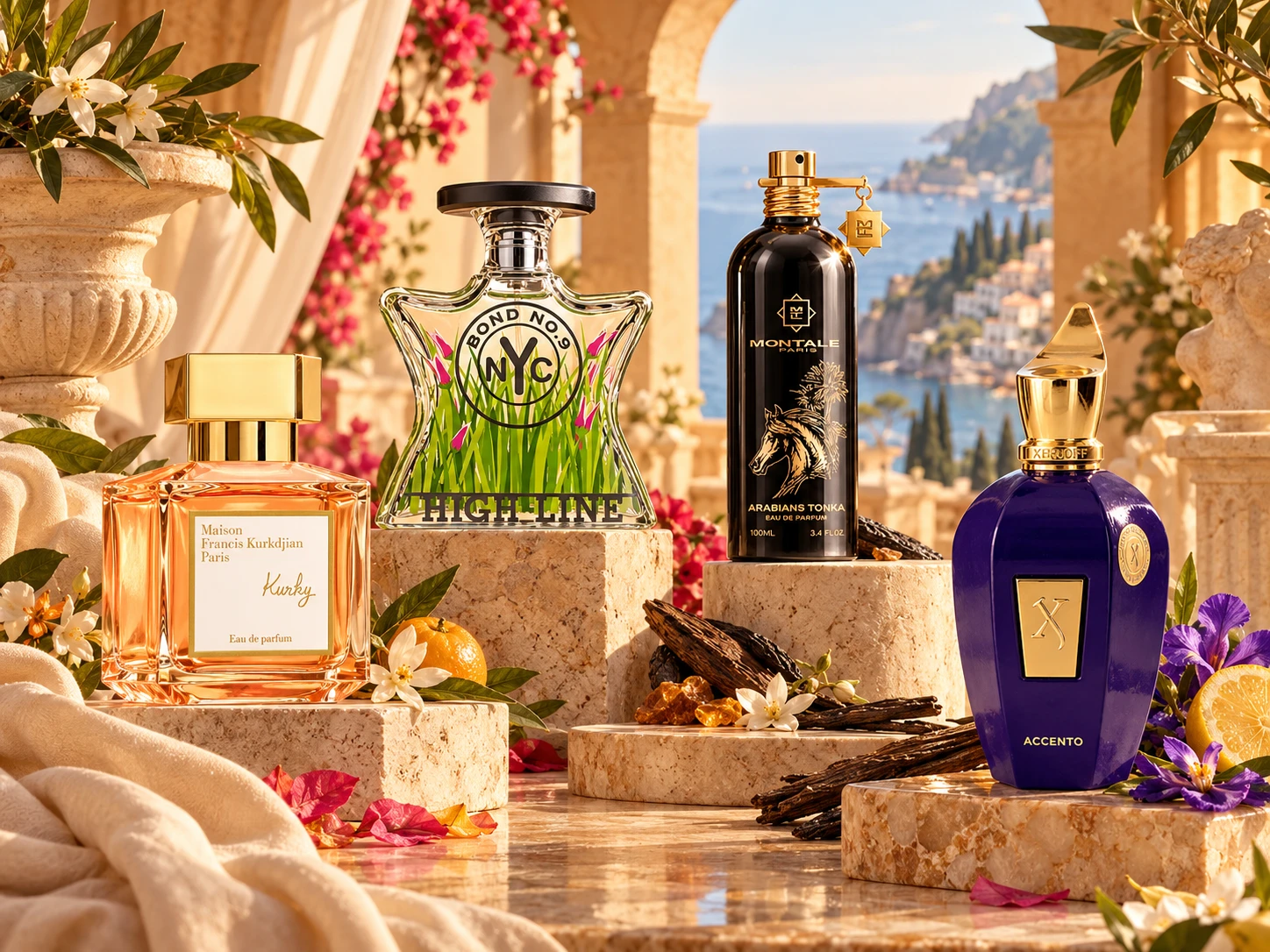
Niche Fragrance
Fragrance-First. Distinctive. Creative.
Niche houses often have more freedom to create unusual or highly
specific scent profiles because they do not always need every release to appeal to a mass
audience.
Today, however, the boundary between niche and designer is much less clear.
Some niche houses have become large international businesses. Major luxury groups own brands that
began as independent niche houses. At the same time, designer private collections can be every bit
as experimental as fragrances from niche companies.
Because of that, “niche” describes the brand’s positioning more reliably
than it describes the actual quality of the liquid.
You can find extraordinary niche fragrances — and very ordinary ones.
What Is Ultra-Niche Perfumery?
Ultra-niche fragrances represent a more exclusive and specialized corner of niche
perfumery. The term is informal rather than an official industry classification, but it is often
used to describe fragrance houses focused on limited distribution, distinctive artistic concepts,
small-scale production, or highly specialized compositions.
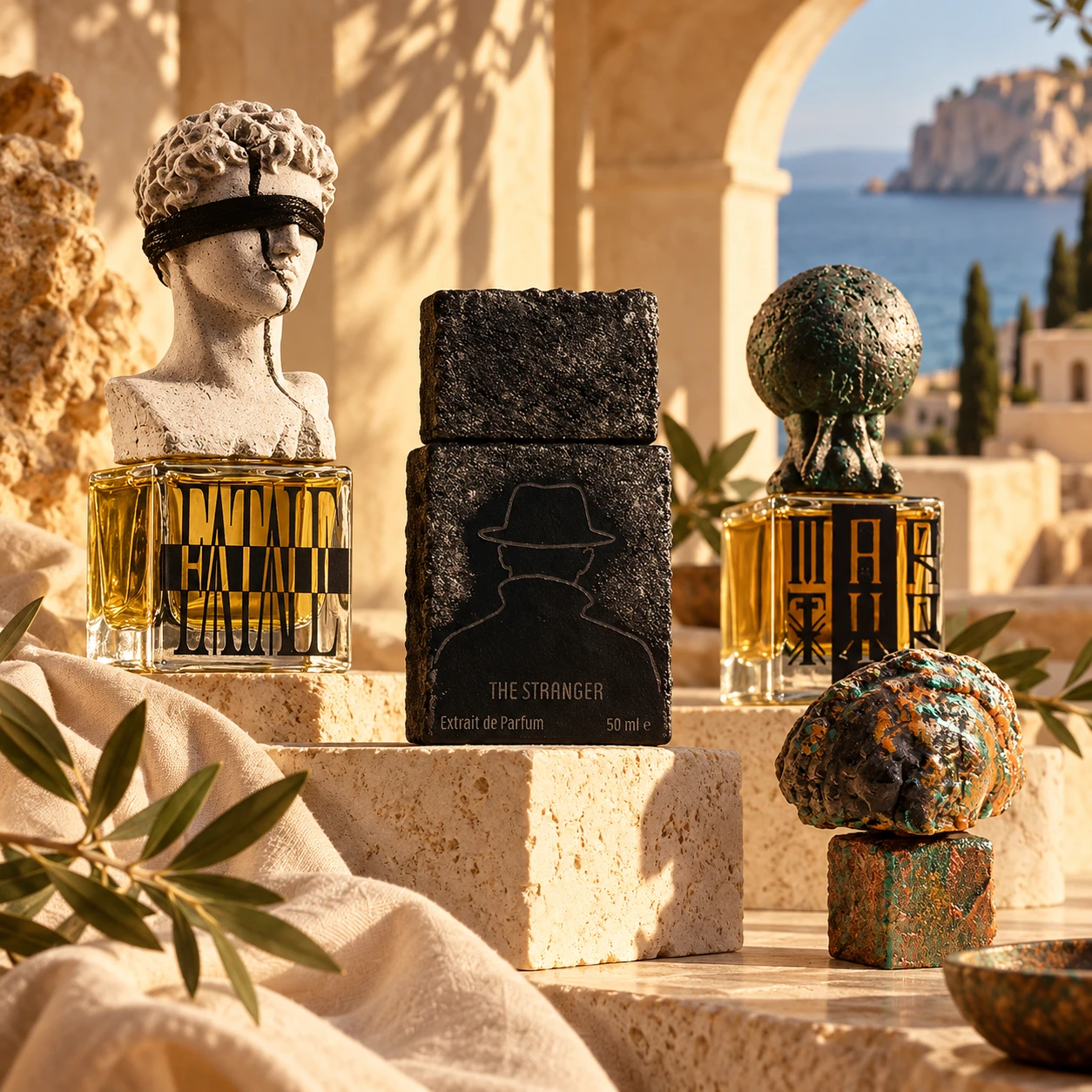
Ultra-Niche Fragrances
Rare. Artistic. Unconventional.
Ultra-niche houses may prioritize creative expression over mass
appeal, exploring unusual scent combinations, specialized materials, and concepts that
challenge traditional ideas of what perfume should smell like.
Some ultra-niche brands emphasize artisanal production, limited releases, or rare ingredients, while
others focus on experimental perfumery and distinctive storytelling. Their fragrances can range from
beautifully wearable to deliberately challenging.
However, ultra-niche does not automatically mean higher quality than regular niche or
designer fragrances. Higher prices may reflect exclusivity, production scale, creative
development, and brand positioning rather than superior ingredients or performance.
Ultra-niche is often about exploring what fragrance can be, rather than simply
creating something everyone will love.
What Are Middle Eastern Fragrance Brands?
A Middle Eastern fragrance brand generally refers to a fragrance company based in,
or strongly influenced by, the perfume traditions and consumer markets of the Middle East.
This is important:
Middle Eastern is a geographic and cultural fragrance category — not a
quality level.
The region has a long fragrance tradition involving materials and scent profiles such as oud,
rose, amber, musk, incense, saffron, spices, and concentrated perfume oils.
Modern Middle Eastern brands can produce everything from traditional attars and oud compositions to
fresh citrus fragrances, sweet gourmands, contemporary aromatics, and Western-style eau de parfums.
Middle Eastern Fragrances
Diverse. Expressive. Often Value-Focused.
The category ranges from inexpensive mass-market fragrances to
sophisticated luxury perfume houses, with an enormous variety of styles in between.
Some Middle Eastern brands have become especially popular because they offer high-impact
fragrances at relatively accessible prices.
Many consumers associate Middle Eastern perfumes with strong projection and longevity. That can be
true of certain fragrances, but it should not be treated as a rule. Performance varies enormously
from fragrance to fragrance.
What Is a Dupe House?
A dupe house specializes in fragrances designed to smell similar to, or take
inspiration from, existing popular perfumes.
You may also hear:
Inspired-by fragrance
Fragrance alternative
Impression fragrance
Smell-alike fragrance
Dupe Houses
Familiar. Accessible. Interpretation-Focused.
The goal is generally to recreate the overall scent experience of
another fragrance at a lower price point.
Some interpretations smell very close to the fragrance that inspired them. Others may capture only
the opening, certain notes, or the general scent profile.
Some brands also intentionally change the formula by making the fragrance sweeter, stronger,
fruitier, woodier, or longer lasting.
The quality of dupe houses varies substantially.
A well-made inspired fragrance may smell polished and perform extremely well. Another may smell
flatter, harsher, or less balanced than the fragrance it is trying to imitate.
Designer vs. Private Line vs. Niche vs. Middle Eastern vs. Dupe
Designer
Fashion or luxury brand
Broad audience
Wide distribution
Often highly consistent
Designer Private Line
Premium designer collection
More exclusive
Often more experimental
Higher luxury positioning
Niche
Fragrance-focused brand
Distinctive creative identity
Often less mass-market
May explore unusual ideas
Ultra-Niche
Specialized, experimental, exclusive
Limited distribution
Distinctive artistic direction
Often expensive, not automatically better
Middle Eastern
Geographic and cultural category
Huge range of price points
Traditional and modern styles
Often strong value options
Dupe Houses
An alternative approach
Affordable interpretations of recognizable profiles
Not every concept built from scratch
Quality varies widely
Is Niche Fragrance Better Quality Than Designer Fragrance?
Not necessarily.
This is one of the biggest misconceptions in fragrance.
Price and category can influence how much a company is willing to spend on a formula, but the final
fragrance depends on much more than raw-material cost.
A talented perfumer can create an excellent fragrance within a relatively tight budget. An expensive
formula can still produce a perfume you do not enjoy.
Designer Can Offer
“Scale, consistency and broad wearability.”
Niche Can Offer
“Creative freedom and unusual ideas.”
Large designer brands may have significant advantages in manufacturing technology, quality control,
stability testing, and consistency.
Niche brands may have an advantage in creative freedom. A fragrance does not
necessarily need to smell universally appealing to succeed within a niche collection.
That freedom can produce scents that feel unusual, challenging, artistic, or highly distinctive.
The difference is often less about better vs. worse and more about commercial
vs. experimental.
Does a More Expensive Perfume Use Better Ingredients?
Sometimes — but the answer is more complicated than the price tag suggests.
Perfume formulas can include both natural and synthetic aromatic materials.
Synthetic ingredients are not automatically inferior. Modern perfumery depends heavily on aroma
molecules that can create effects that may be difficult, unstable, expensive, unsafe, or impossible
to obtain naturally.
Natural materials can also vary enormously in cost and quality.
What you are paying for can include:
Fragrance ingredients
Perfumer and development costs
Bottle design
Packaging
Advertising campaigns
Retail margins
Distribution
Production scale
Brand prestige
Exclusivity
A perfume costing three times as much does not necessarily contain three times
as much money in fragrance materials.
Why Can Middle Eastern Fragrances Be So Affordable?
Production strategy, distribution, marketing expenses, packaging, labor costs, brand positioning, and
retail markup can all affect the final price of a fragrance.
Some Middle Eastern brands have successfully created fragrances with impressive presentation and
performance while selling them for considerably less than many prestige Western luxury brands.
A lower price does not automatically mean the fragrance is inferior.
At the same time, the category is enormous. Quality can range from inexpensive mass-market fragrances
to highly refined luxury perfumery.
The individual fragrance matters more than the country printed on the box.
Are Dupe Fragrances Lower Quality?
Sometimes they are. Sometimes they aren’t.
The biggest challenge for a dupe house is not simply identifying similar notes. A finished perfume
also involves balance, diffusion, texture, transitions between notes, stability,
and how the fragrance develops over several hours.
Two perfumes can list very similar notes and still smell noticeably different.
A lower-priced interpretation might reproduce the recognizable character of an expensive fragrance
surprisingly well while sacrificing some complexity.
Another interpretation may actually project more strongly or last longer because the company
intentionally adjusted the formula.
Different does not automatically mean better — or worse.
What Actually Determines Fragrance Quality?
Rather than judging a fragrance simply by whether it says designer, niche, Middle Eastern, or
inspired-by on the box, consider the fragrance itself.
Look at the complete experience:
01
Balance
Do the different elements work well together?
02
Development
Does the fragrance evolve pleasantly over time?
03
Performance
Does its longevity and projection fit what you want?
04
Consistency
Is the product manufactured reliably?
05
Presentation
Does the bottle and packaging match what you are paying?
06
Originality
Does uniqueness matter to you?
07
Value
Are you satisfied with what you get for the price?
08
Enjoyment
Most importantly, do you actually like wearing it?
A beautifully made $60 fragrance can be a better purchase for you than a $350
fragrance you rarely reach for.
So Which Type of Fragrance Is Best?
There isn’t one.
Designer
Great for versatility.
Designer fragrances can be excellent choices for reliable, wearable
scents with broad appeal.
Designer Private Lines
Luxury with more freedom.
Private collections can offer a more exclusive or adventurous
version of a luxury house’s fragrance style.
Niche
For something distinctive.
Niche houses can be ideal for people looking for unusual
compositions, specialized concepts, and distinctive creative identities.
Middle Eastern
A huge world to explore.
Middle Eastern brands offer everything from traditional oud and
attars to contemporary gourmands, aromatics, woody fragrances, and fresh scents — often
at competitive prices.
Dupe Houses
Familiar scents for less.
Dupe houses can make popular scent profiles accessible to shoppers
who do not want to spend hundreds of dollars on a bottle.
Instead of Asking
“Which category makes the best perfume?”
Ask
“Which fragrance gives me the scent, performance, quality and value I want?”
Because once the fragrance is on your skin, the category matters a lot less than how it
smells.
Frequently Asked Questions
Is niche perfume always higher quality than designer perfume?
No. Niche usually describes a fragrance-focused brand or positioning strategy, not an objective
standard of quality. Both niche and designer houses can produce excellent — or disappointing
— fragrances.
Are Middle Eastern fragrances stronger?
Many popular Middle Eastern fragrances emphasize strong performance, but this is not universal.
Longevity and projection depend on the individual formula.
Are designer private collections niche fragrances?
Not technically. They are still produced under designer houses, but they often occupy a similar luxury
and creative space to niche perfumery.
Why are dupe fragrances cheaper?
Dupe houses may spend less on prestige branding, luxury retail distribution, bottle development, large
advertising campaigns, and other costs associated with major luxury fragrance launches.
Does expensive perfume mean better ingredients?
Not automatically. Raw materials are only one part of fragrance pricing. Branding, packaging,
distribution, marketing, production volume, and retail positioning can all influence the final
price.
What type of fragrance should I buy?
Start with the scent itself rather than the category. Consider the fragrance families and notes you
enjoy, where you plan to wear it, performance, price, and how the fragrance develops on your skin.
Designer, niche, Middle Eastern or something inspired by a favorite — the best fragrance is the
one that delivers the scent, performance and value you’re looking for. Explore the Fragrance Library to find it.